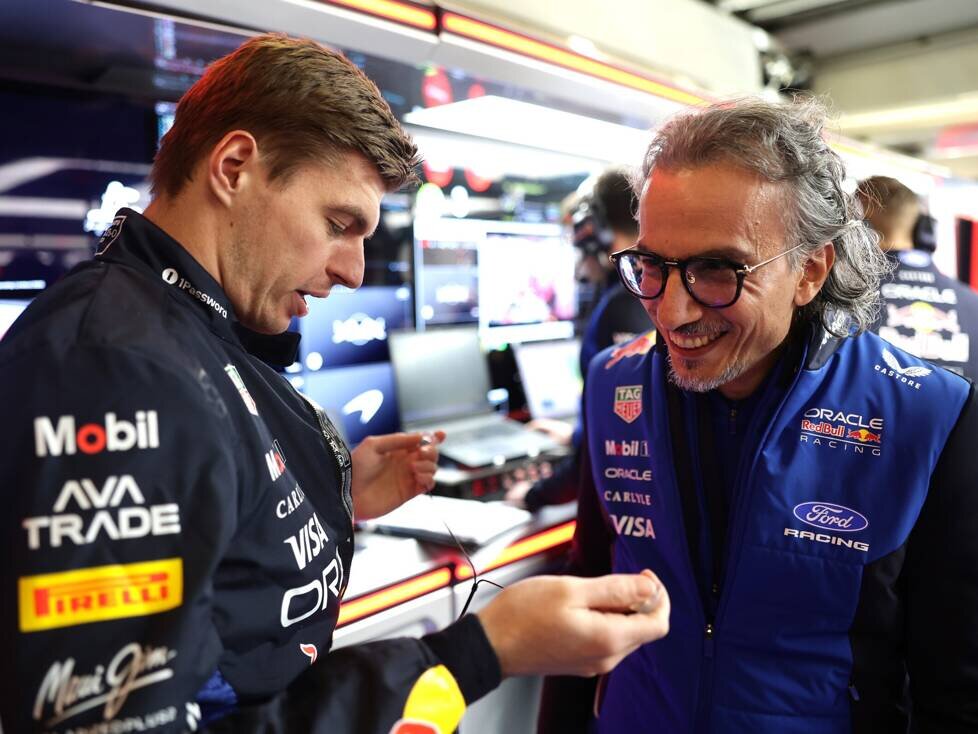
Laurent Mekies remains confident that Max Verstappen will not leave Formula 1—he believes an agreement can be reached regarding the engine regulations
Red Bull team principal Laurent Mekies is optimistic that the FIA will make the necessary adjustments to the Formula 1 power units so that Max Verstappen can continue to compete in the premier class in the 2027 season.
The four-time world champion is one of the biggest critics of the current Formula 1 regulations, which, starting this season, call for a nearly 50:50 split between internal combustion and electric powertrains.
The FIA is currently attempting to implement a 60:40 split for 2027, a move supported by Verstappen. However, Audi, Ferrari, and Honda are said to have voted against it, hoping to delay implementation until 2028.
This puts the rule change at risk, as a supermajority among the manufacturers is required. At the same time, Verstappen has renewed his threats to retire in light of his ongoing GT3 activities.
Mekies, however, expects that the engine manufacturers will ultimately reach an agreement in the best interests of the sport, meaning Verstappen is likely to fulfill his full contract with Red Bull, which runs until 2028.
“I am optimistic that we will find the right solutions,” the Frenchman emphasizes, explaining: “I am confident that we will find a majority that agrees on improving the sport.”
Mekies: The sport should take precedence over individual interests
“Because when it comes to what’s important for the sport, I believe that at some point we will all set aside any potential impact on our own competitiveness in order to take a step in the right direction for the sport.”
“I think we’ll ultimately reach that point,” says Mekies. The FIA plans to implement the change by increasing fuel flow and tank capacity, as well as reducing energy consumption. However, this would force the teams to make fundamental changes to the chassis.
This ultimately involves financial hurdles as well, and the world governing body could make compromises, such as phased hardware adjustments or shortening race distances on particularly energy-intensive tracks.
“I don’t think the level of investment is relevant in relation to the size of the sport,” Mekies says, however. “In other words: We should resolve this once and for all and not have to keep discussing it over and over again,” he adds.
“We’re seeing a fantastic battle on the track. There are many positive aspects and a lot that’s great about what we’re currently experiencing. I think there’s one area we want to improve—and we should do that once and for all.”