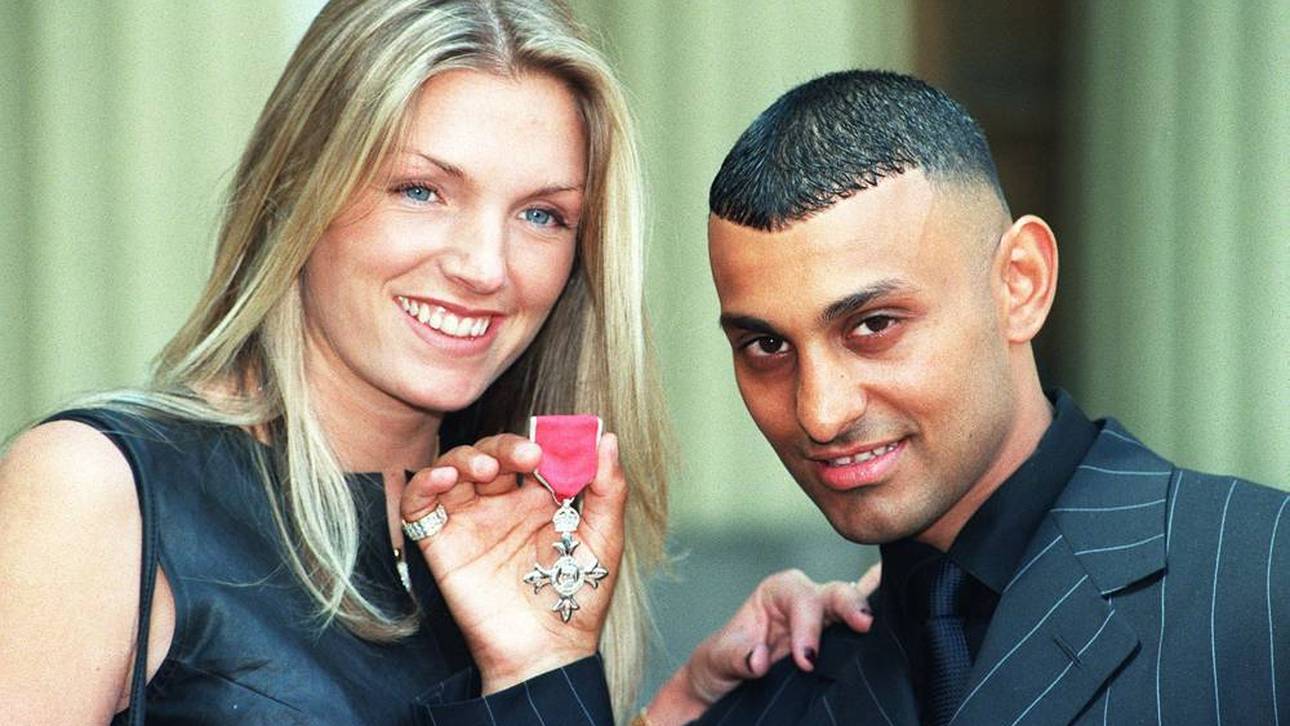
‘Prince’ Naseem Hamed rose from a working-class family to become a global boxing star. However, his meteoric rise was followed by a rather abrupt end to his career.
He was one of the most dazzling boxers of his time – and 31 years ago today, he impressively demonstrated what he was capable of.
On 30 September 1995, in Cardiff, Prince Naseem Hamed took the WBO featherweight world title from Welsh local hero Steve Robinson. At the young age of just 21, the Briton had risen to become champion and one of his country’s most popular sporting stars.
However, Hamed’s life story – which has since been immortalised in a film – also has its dark sides.
“Prince” Naseem: Turned professional at 18 – World and European champion three years later
The circumstances for a world-class career were not necessarily favourable for Hamed at first. As the son of a family of Yemeni descent, he grew up above a small corner shop in the Wincobank suburb of Sheffield.
After his father had introduced him to boxing at the age of seven, it wasn’t long before Hamed developed into one of the sport’s most promising talents. At the age of 18, he made his professional debut in the flyweight division and, just two years later, became European bantamweight champion.
The highlight so far of his meteoric rise to the top of the world rankings came with his triumph over Robinson: Hamed dominated his opponent, knocking him down twice and thereby sealing a change of dominance in this weight class.
This was followed by a golden era in the 1990s, during which Hamed held several world featherweight titles and made numerous front-page headlines with his southpaw style and devastating knockout power.
“He was the only one” – A role model with an influence like Ali’s
Owing to his background and his successes, Hamed quickly became a role model for the Asian minority community in Britain. “There really aren’t many people out there representing our culture on the big screen; they’re not on the radio and certainly not in sport,” said filmmaker Rowan Athale, director of the Hamed biopic *Giant*, explaining the cultural significance of his protagonist: “He wasn’t just another one – he was the one and only. He meant a great deal to a great many people.”
Amer Khan, who trained alongside Hamed under coach Brendan Ingle, also recalled Hamed’s raw talent: “When you watched Naz, he was absolutely phenomenal. Instead of looking in the mirror during training, Brendan always told us to watch Naz in the ring. You could learn an incredible amount just by watching. I don’t think anyone comes close to him. The world was at Naz’s feet.”
He also recalled a symbolic moment that illustrated Hamed’s star power. “One day I came out of school and ran to the gym. I saw a blue BMW parked outside, went inside – and there was David Beckham waiting to meet Naz. He kept David Beckham waiting. That’s how great his influence was,” said Khan.
HBO manager Lou DiBella once even compared Hamed’s influence to that of Muhammad Ali, arguing that Hamed had “changed boxing” and “redefined the fighter as a showman and entertainer”.
A defeat that sealed the end of his career
But just as quickly as Prince Naseem’s career had soared to the top, so too did it come to an early and quiet end. For ten years (1992 to 2002), fans marvelled at his spectacular ring entrances, during which he would once enter on a flying carpet or catapult himself over the top rope with a somersault.
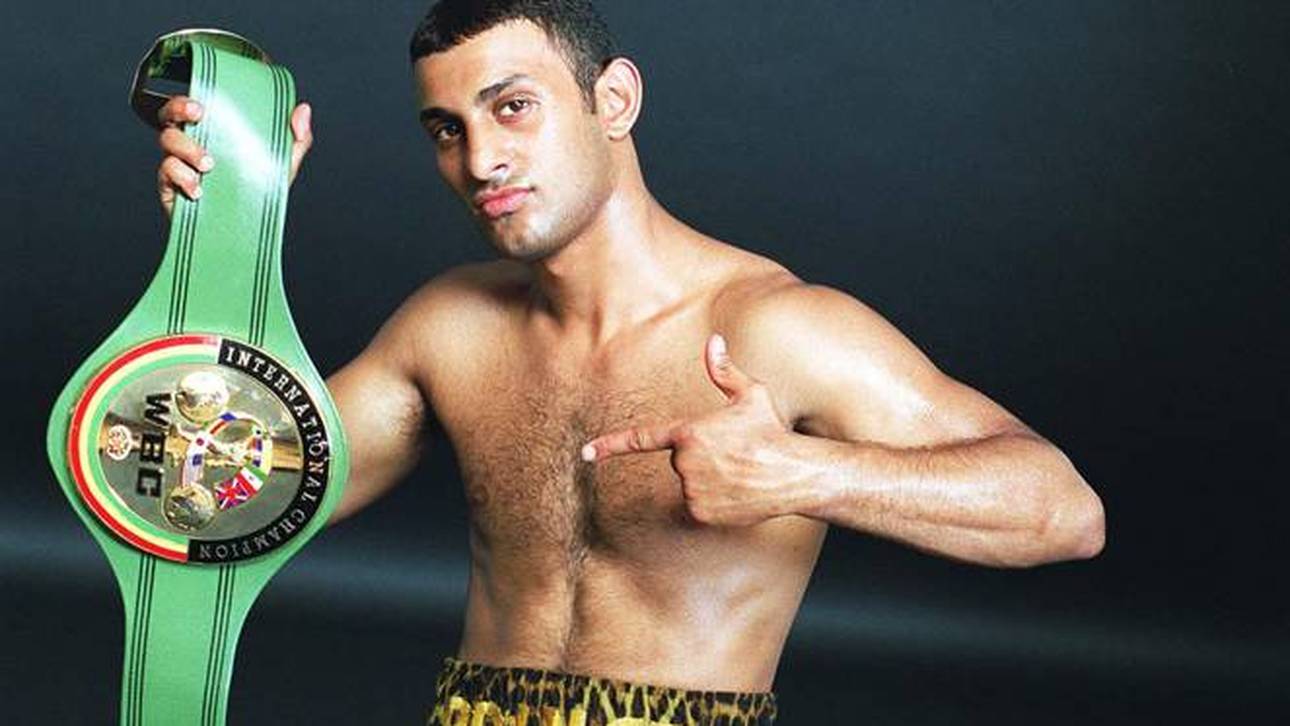
On 7 April 2001, the showman’s hitherto flawless winning streak came to an end. In Las Vegas, Hamed faced the Mexican Marco Antonio Barrera, who, as a multiple WBO super-bantamweight world champion, had moved up a weight class for this bout and prepared intensively. In the bout for the IBO world title, Barrera managed to dodge Hamed’s left hook and repeatedly land his own punches.
Hamed, who fought without any real defensive technique, ultimately lost by unanimous decision. To this day, however, the fight remains the most successful featherweight bout in the US, with 310,000 pay-per-view purchases.
In May 2002, Naz returned to the ring one last time and defeated the Spanish European champion Manuel Calvo by unanimous decision. Although Hamed and his team announced a swift return, this was never to happen. He did not officially confirm his retirement until much later, however, citing numerous injuries and operations on his hand as the reason.
Order of Knighthood revoked: a scandal that overshadows a glittering career
At just 28 years of age, the superstar had lost all his world titles. In 2006, the next low point finally followed after Hamed was sentenced to 15 months’ imprisonment and a four-year driving ban.
The reason: Prince Naseem attempted to overtake at 145 km/h and collided with another car. The driver suffered serious injuries, whilst Hamed left the scene of the accident. The conviction also cost the boxer his knighthood, which was revoked later that same year.
In recent years, Hamed – who has since put on a considerable amount of weight – has largely disappeared from the public eye. A few years ago, there were headlines about an ugly family dispute over money and the inheritance from his late mother – which is said to have contributed to his physical problems.
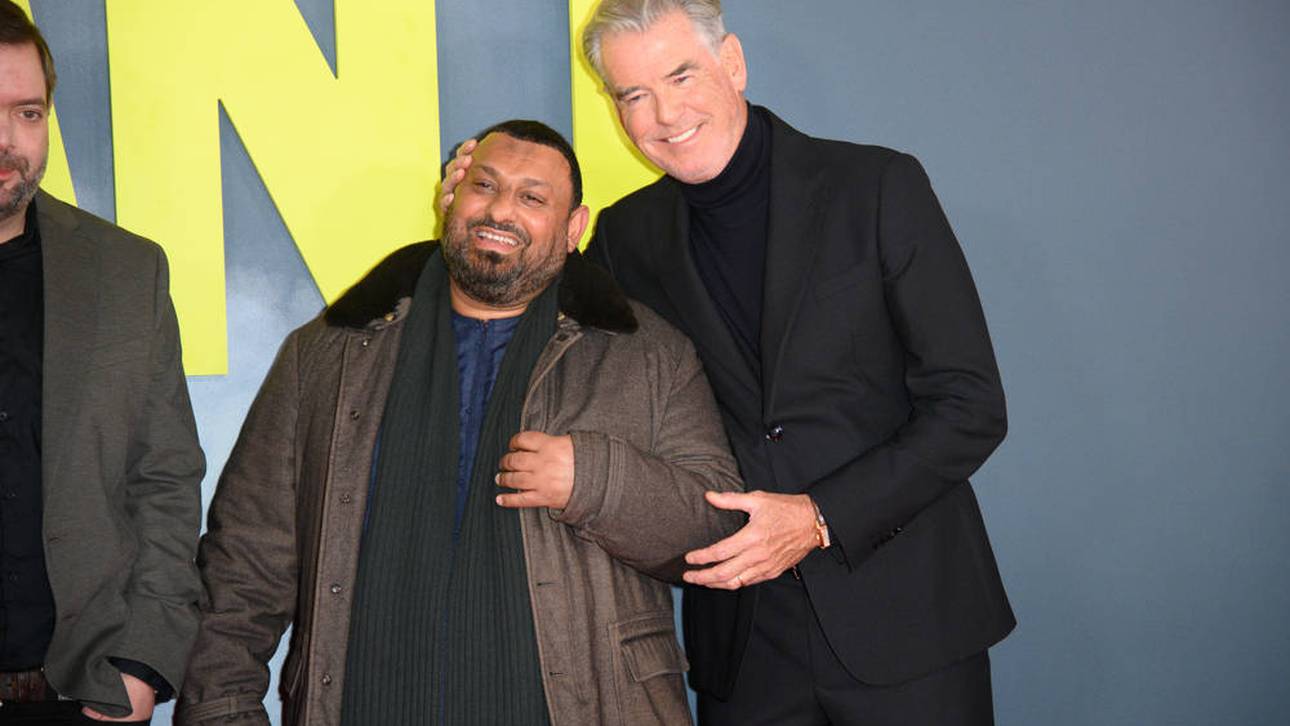
“It’s tragic – he could have achieved so much more”
Despite Hamed’s escapades and scandals, in recent years the positive aspects of his legacy have once again come to the fore. In 2015, he was inducted into the International Boxing Hall of Fame and, in 2019, was awarded the honorary featherweight title by The Ring magazine. Among numerous experts and in the media, the father of two sons – who also tried their hand at boxing – is still regarded today as one of the best boxers of his era.
“He achieved more than almost anyone else – and it’s so tragic because he could have achieved even more,” said director Athale about the now 52-year-old “Prince” Naseem Hamed. Nevertheless, ESPN journalist Dan Rafael wrote of the boxing superstar: “One of the biggest stars of his sport – he filled arenas even before an opponent had been confirmed.”
“I think, at times, he was the most exciting fighter I’ve ever dealt with,” said boxing promoter Frank Warren, looking back on Hamed’s career and adding: “At the start of his career, he could have become one of the great fighters. But that faded when he didn’t fight as regularly as he should have and when he cut corners in training. From then on, it simply didn’t work out for him any more.”