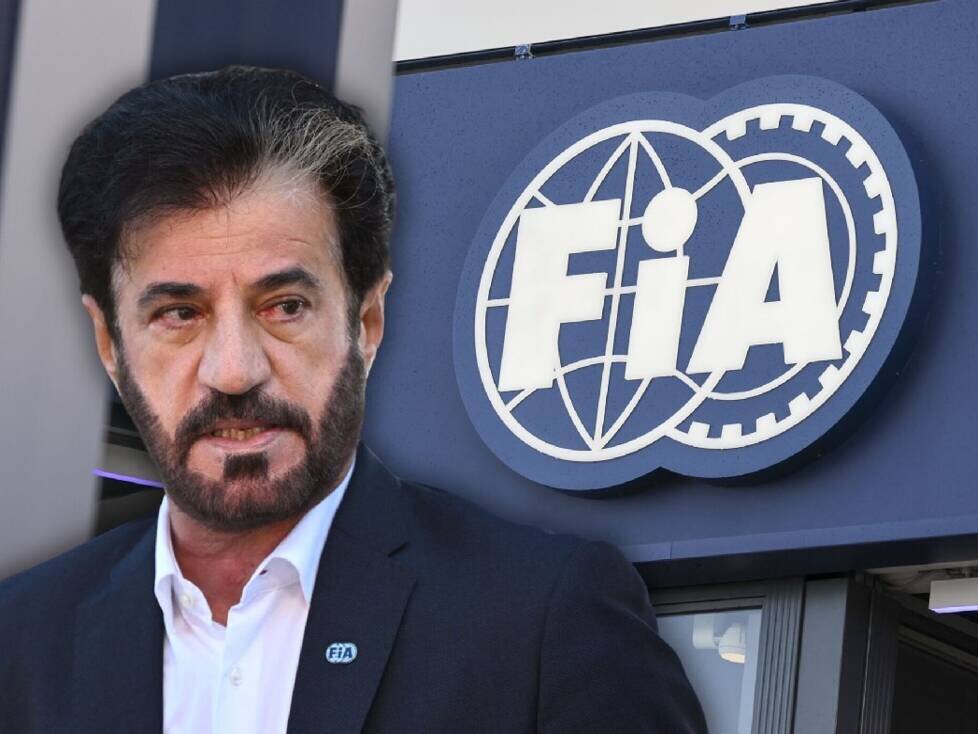
With new bylaws, the FIA is paving the way for longer terms for its president, while at the same time raising the bar for challengers to Mohammed bin Sulayem
Mohammed bin Sulayem continues to work toward maintaining his position as president of the International Automobile Federation (FIA) for many years to come. This is because, at this year’s FIA General Assembly in Macau, member clubs approved his proposal to no longer limit the president’s term to three terms (or twelve years). The BBC reports this, citing sources close to the FIA.
The removal of the term limit would theoretically allow bin Sulayem to remain at the helm of the world federation indefinitely beyond 2033. As things stand, this is prevented by the current age limit of 70 at the time of taking office, but according to the BBC, the 64-year-old bin Sulayem also intends to lift this restriction soon.
The FIA itself is revealing very little information about the latest decisions. A press release simply states that various “amendments to FIA statutes and internal regulations” have been adopted.
The world governing body cites the following example: “The term limits for FIA bodies have been lifted and thus brought into line with the regulations for the World Councils and the Senate.”
In addition, the General Assembly in Macau decided to “tighten the eligibility criteria for the FIA President” and align them more closely with the “existing requirements for candidates on the presidential ballot.” This makes it more difficult for potential challengers to bin Sulayem to even be admitted to the presidential election.
Criticism of the Current FIA Decisions
FIA Vice President Robert Reid, who stepped down in 2025, has already criticized the latest FIA decisions and defended the term limit for the presidency introduced by bin Sulayem’s predecessor, Jean Todt: “It doesn’t prevent bad decisions, but it creates a point in time when renewal must take place.”
Such a limit reminds an institution “that a position is only granted for a limited time, that legitimacy must be reaffirmed time and again, and that no single person should become structurally irreplaceable,” Reid explained in a LinkedIn post.
Regarding the stricter eligibility guidelines, he said: “Of course, a presidential candidate should understand the FIA. Of course, credibility, seriousness, and relevant experience are important. [But] a safeguard against unqualified candidates can become a hurdle for unconventional applicants.”
FIA Emphasizes “Democratic Process” Within the World Governing Body
The FIA’s statutes have been updated to ensure consistent handling of term limits across all FIA bodies. […] FIA bodies retain full authority to elect, through a democratic process, the officials they deem suitable. “
This “democratic process” calls for a new presidential election in 2029. Bin Sulayem could then be elected FIA President for a third time, following his terms in 2021 and 2025. Prior to the recent decisions, this would have been his final term.
What Bin Sulayem Himself Has to Say
Bin Sulayem himself views the decisions very positively and stated: “They reflect the continuous progress we are making together as a federation.” Among other things, the world federation aims in the future to “create new opportunities […] and ensure that the FIA continues to grow as a strong, sustainable, and trustworthy federation.”
Bin Sulayem has received support in this regard from FIA Senate President Carmelo Sanz de Barros, who said: “The transformation within the FIA has enabled a more modern and agile approach that better meets the needs of all FIA stakeholders.” However, the changes are likely primarily intended to help Bin Sulayem retain power.