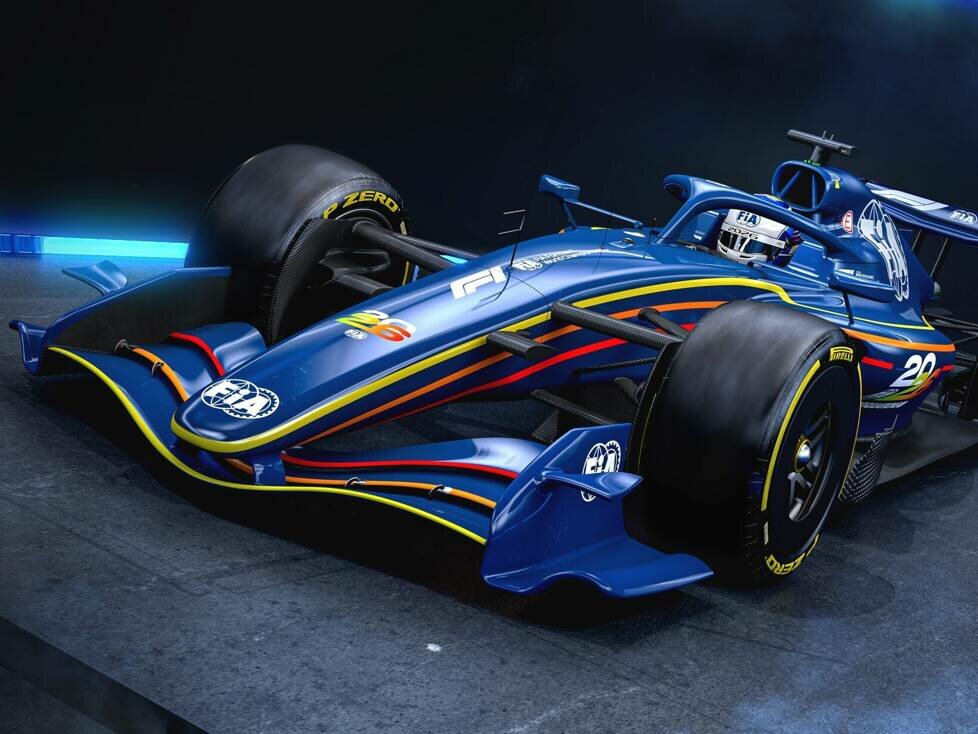
From 2026, cars, engines, and aerodynamics will undergo fundamental changes—a situation that could play into the hands of newcomers in particular.
The 2025 season is already considered a year with an unusually high number of new entrants. However, hopes for a new “super generation” have only been partially fulfilled. Jack Doohan lost his seat before the halfway point of the season, Franco Colapinto is struggling with declining confidence at Alpine, and even a top-class driver like Kimi Antonelli has had a tough time at Mercedes.
Oliver Bearman, who made a brilliant Ferrari debut in Saudi Arabia in 2024, is experiencing ups and downs at Haas. Isack Hadjar has been the most consistent performer at Racing Bulls so far. One reason for these difficulties lies in the current regulations.
The ground effect generation is forcing teams to set up their cars extremely low and hard. This provides a lot of downforce, but robs the drivers of their feel for the limit. “The cars are very difficult to drive in this era. If you lack confidence, you lose a lot of time immediately,” explained Bearman.
Back to square one
Driving styles that rely on late braking and aggressive cornering are now virtually impossible. Even experienced drivers are struggling to find the balance between maximum downforce and drivability. The new rules coming in 2026 could turn the tide.
The cars will be lighter, narrower, and equipped with active aerodynamics. In the future, the powertrains will deliver their power in a 50:50 ratio from combustion engines and hybrid systems. This will significantly increase the complexity in the cockpit.
Ferrari driver Charles Leclerc has already said that drivers will have to unlearn their “muscle memory,” i.e., reflexes that have been trained over many years. McLaren driver Oscar Piastri criticized the additional switching work, saying it does not help the spectacle, and Williams team boss James Vowles warned of a “very, very high load” for the drivers.
An advantage without old habits?
But this could be an advantage for the rookies. Those with fewer old habits find it easier to adapt. “The experienced drivers have spent years getting used to these cars. We rookies have always been behind. But next year, the cards will be reshuffled,” believes Bearman.
The examples from the current season underscore how crucial trust in the car is. Gabriel Bortoleto kept up surprisingly well with Nico Hülkenberg at times in the weak Sauber, but it took new upgrades to bring him consistent points.
Colapinto was close to Pierre Gasly on his Alpine debut at Imola, but then lost ground. Antonelli only began to flourish after Mercedes scrapped a problematic chassis solution.
Old hands or young guns – who will dominate?
“You need complete confidence in the car because the downforce level is so high,” said Bearman. “If it goes wrong, it goes really wrong, and you can’t save it. And if you don’t have confidence, you immediately lose a lot of time. That’s particularly difficult for us at this stage of our careers.”
One thing is clear: in 2026, it won’t just be the engineers who are challenged, but above all the drivers. Adaptability, learning ability and mental bandwidth will determine success. For veterans like Max Verstappen and Fernando Alonso, the transition should be manageable. But for the rookie generation, a rare opportunity is opening up – with new cars that all drivers will have to adapt to in equal measure.