In Qatar, the FIA and drivers discussed guidelines on driving standards: Here is what the drivers think about the results of this meeting
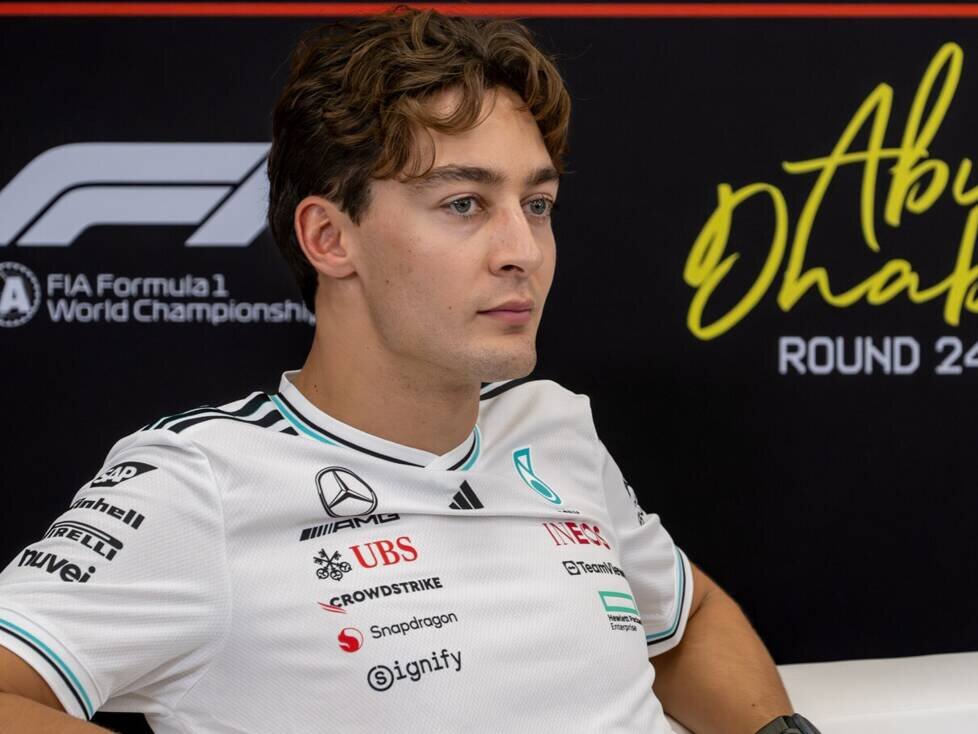
The FIA and drivers met in Qatar last weekend to discuss guidelines on driving standards and racing. The outcome was not particularly surprising: nothing will change for the rest of the 2025 season. For George Russell, chairman of the GPDA drivers’ association, this is acceptable given that there are still two races to go.
“I think that’s the right thing to do,” he emphasizes. “We have always asked for consistency, and it would be unfair to change that approach now.”
More important for the drivers is what will happen with the rules in the future. And because there have been a few disputes in recent races, these were discussed in detail again in Qatar—including Oscar Piastri’s maneuver against Andrea Kimi Antonelli in Brazil and Max Verstappen’s shortcut in Mexico.
Drivers agree on scenes
At least among the drivers, there seemed to be agreement: “I think that in the incidents that were shown, all the drivers agreed on what penalty would have been appropriate – or indeed no penalty,” says Russell. Important addendum: “Regardless of what the guidelines said.”
Because that has been a central issue in the recent past: the stewards seemed to stick too closely to the wording of the guidelines and not always use common sense.
“When you set up guidelines like this, they really need to be understood as guidelines,” Russell insists. “Every track is different. Every overtaking maneuver is different. Every situation is different. Sometimes you just have to use the racing knowledge that we drivers have accumulated over 20, 30, 40 years of our lives.”
“And the stewards—the driving standards stewards—need to judge some things based on common sense racing knowledge instead of clinging to a guideline. Otherwise, you might as well have a lawyer hand out the penalties. Hopefully, we’re moving more in that direction.”
Bortoleto: Some things should not be penalized
Sauber driver Gabriel Bortoleto agrees, calling on the stewards to “be reasonable.” Because, he continues, “Some things have been interpreted too strictly, let’s say.” “And that has resulted in a few penalties that perhaps shouldn’t have happened.”
A good example for the drivers is the scene between Piastri and Antonelli in turn 1 in Brazil. At that point, Piastri braked on the inside track next to the Mercedes, locking up a wheel in the process, which led to contact that sent Antonelli into Charles Leclerc and took him out of the race.
A closer look at the race restart
Onboard with Leclerc then Piastri F1 BrazilGP pic.twitter.com/nvxMQQ2fY4
— Formula 1 (@F1) November 9, 2025
Piastri received a penalty for this, which many felt was unjustified. According to Bortoleto, it can easily happen that a wheel locks up due to track conditions. “Or sometimes you’re trying to avoid an accident. And then the guy on the outside takes the corner as if you weren’t there, and you have to brake harder to avoid a crash.”
“You lock up, slide into someone—and then you get blamed for locking up. And that’s what the guideline says,” said the Brazilian. “But sometimes you’re just trying to prevent something. What are you supposed to do? Release the brakes and take out the car in front of you? Then you wouldn’t have locked up and you wouldn’t have lost control. “
”And that’s exactly what we talked about,“ he said. ”It wasn’t about what’s right or wrong. We just put things on the table so that next time a similar case comes up, people might be more open to thinking about why the blocking happened.”
Piastri: You can never close all the gaps
At the FIA meeting in Qatar, the stewards received this feedback from the drivers, among other things. “It was about clearing up a few things,” Piastri confirms, adding: “Overall, it went pretty well.”
“Whenever you try to establish any guidelines or wording for racing, there will be loopholes somewhere. It’s impossible to cover everything. So some ideas and opinions on how we can close some of those loopholes were helpful.“
It remains to be seen how this will be reflected in the guidelines in the future. ”I hope there will be a follow-up, and I look forward to hearing what they are planning for 2026,” says Russell.
And Bortoleto adds: “I don’t know if they will change them or not. That’s up to them. But I think it’s mainly about how incidents are reviewed and assessed. Maybe not 100 percent according to the guidelines. Because guidelines are, after all, just guidelines, not rules. They are meant to help make a decision.”