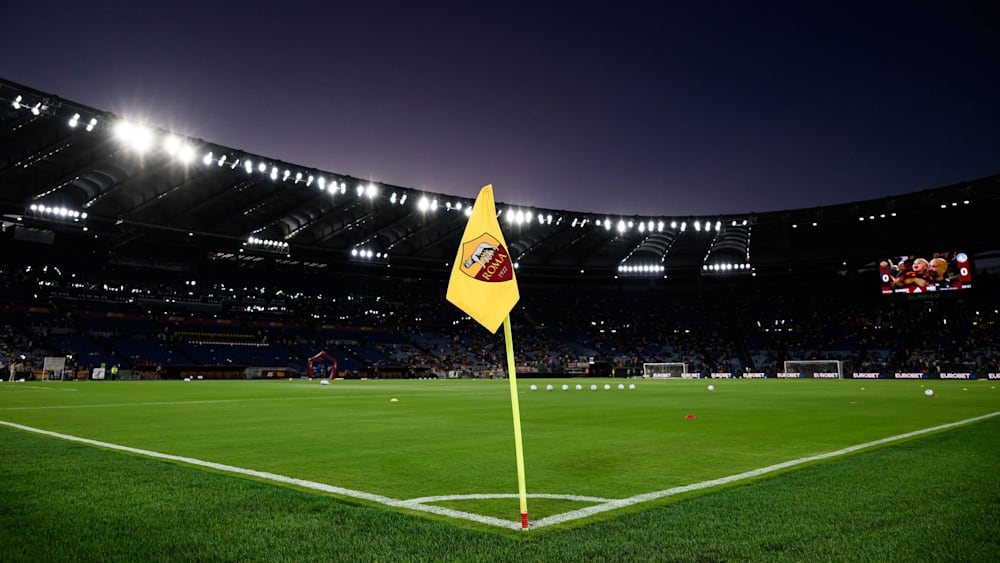
For over ten years, AS Roma have been planning to move on from the time-honoured Stadio Olimpico to their own – and, above all, modern – home. Now that is set to become a reality.
Suddenly, things could all move very quickly. Although AS Roma’s management had envisaged the project for a new, dedicated stadium long before the capital club was taken over by the US-based Friedkin family, there were repeated setbacks.
However, after more than ten years, a string of rejections from the authorities and the identification of a suitable site for a new stadium in the north-eastern district of Pietralata – which also provides the necessary public transport links, for example to the city centre – the Giallorossi achieved a decisive breakthrough this Tuesday.
“A boon for the whole of Rome”
The club, which currently sits top of Serie A ahead of reigning champions Inter Milan, states in an official announcement, amongst other things: “The conclusion of the necessary ‘decision-making conference’ involving the service providers and the resulting declaration of public interest mark a fundamental and historic milestone for AS Roma on the path to building its new stadium”.
The Romans describe the whole situation as follows: “This success is the reward for years of hard work, commitment and collaboration by the Friedkin family.” They continue: “A new phase is now beginning, with the aim of providing AS Roma and the city with a modern, sustainable stadium that does justice to their history and ambitions.” Furthermore, the Giallorossi see their project as “an asset for the whole of Rome, creating new opportunities for the regeneration and development of the surrounding area” – including long-term benefits for the people of the “Eternal City”.
According to Rome’s mayor, Roberto Gualtieri, the plan is for construction to get under way in March 2027, with the Roma stadium set to be inaugurated in the early months of 2029. This would accelerate the latest plans and create a modern home for football, which could also provide a boost for the country’s football scene itself, particularly in light of its proposed role as co-host, alongside Turkey, for the 2032 European Championship.
In this regard, UEFA President Aleksander Ceferin has been putting pressure on Italian decision-makers to carry out the necessary modernisation work.