Transfer season is sometimes also a time for mishaps. A look at sports jurisdiction shows that even emails can end up costing millions.
Transfer farces happen time and time again. Think of Eric Maxim Choupo-Moting, whose transfer from Hamburger SV to 1.FC Köln was once prevented by a broken fax machine.
Or the misconception regarding the number of possible loans that prevailed at Werder Bremen. Agreements on transfers via email also carry a risk—because these are considered legally binding, even if there is no formally signed transfer contract, as two CAS rulings have shown.
Managers should be aware of the consequences
One case concerned Bosnian professional Miroslav Covilo and his transfer to FC Lugano. Covilo’s former club, KS Cracovia, demanded compensation from the midfielder and the Swiss club based on a previous email exchange, first filing a complaint with the FIFA Dispute Resolution Chamber and then with the Court of Arbitration for Sport (CAS).
With success. Lugano had to pay €50,000—however, Cracovia also bore 80 percent of the arbitration costs and had to pay Lugano and Covilo a total of €6,500 for their legal costs. Financially, the case was probably not worth it. In terms of content, however, the ruling is somewhat controversial, so managers should be aware of the consequences of emails.
Missing signature? Irrelevant, according to experts
Georgi Gradev agrees. The top lawyer, who has excellent connections in international football circles, writes on LinkedIn: “As soon as the parties had agreed – by email – on the essential terms (subject matter, price, payment structure), the deal was legally binding. The subsequent attempt to withdraw from the deal on the grounds of the lack of a signature or the alleged lack of formal authority on the part of the sporting director failed.”
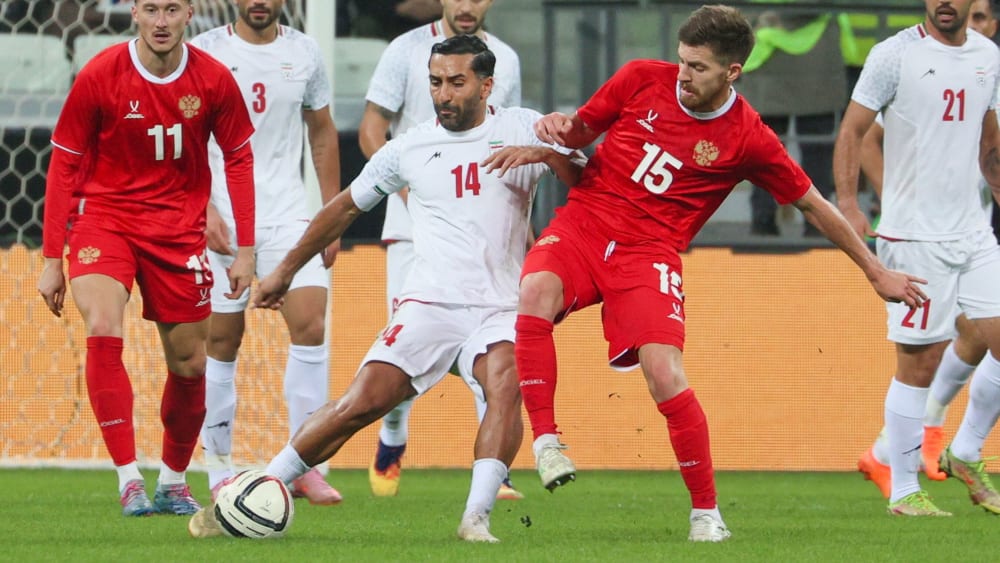
This conclusion from the CAS ruling handed down in 2021 is based on the Saman Ghoddos case, which the Lausanne judges ruled on in 2020. Despite the lack of a transfer agreement between Ghoddos’ previous club Östersunds FK and SD Huesca, the CAS ruled on August 8, 2018, that the Swede, who now plays successfully for Iran, had a valid employment contract with the Spanish club. The fact that ten days later he wanted nothing more to do with it, terminated his contract and also negotiated with other clubs – Ghoddos ended up at SC Amiens – did not bother the sports courts. In the end, a four-month ban against the professional was confirmed, which had already been served at the time of the CAS proceedings, as well as four million euros in compensation for Huesca.