There’s hardly any time to catch your breath between Abu Dhabi and Barcelona: Why the 2025/26 winter break will be a nail-biting affair for Formula 1 teams
Preparing for the 2026 Formula 1 season will be a huge effort for the teams because the winter break is extremely short – “almost non-existent,” says Alpine team boss Steve Nielsen. That’s because there are only 50 days between the last race on December 7, 2025, in Abu Dhabi and the first day of testing on January 26, 2026, in Barcelona.
But a lot happens in this short time: On the Tuesday after the season finale, the traditional Young Driver Test takes place in Abu Dhabi. A few days later, the top three in the drivers’ and constructors’ standings receive their trophies at the official FIA gala.
Shortly afterwards, everyone involved takes a break for the Christmas celebrations – including factory closures, as stipulated in the regulations. And shortly after New Year’s, the first functional tests of the new cars are scheduled.
“From the outside, it may seem like you’re finishing one season and seamlessly starting the next, but the overlap is enormous. It’s all incredibly compressed,” says Nielsen.
Memories of 2013/14 come flooding back
The Formula 1 schedule was similarly tight before the start of the turbo-hybrid era: the 2013 season ended on November 24, and the first test began on January 28, 2014. At that time, the teams had two more weeks to prepare for the new technical chapter—yet the start of testing proved difficult for many teams.
A comparison with the previous winter break also highlights what Formula 1 is facing: in 2024, the season ended on December 8, and the first test drives for 2025 began on February 26 – leaving one month more time than before the 2026 season.
Reliability is key
And all this is happening under completely new technical regulations. “That makes it a big challenge for all of us,” says Aston Martin team boss Andy Cowell. “We’re dealing with new technology, sustainable fuels, and changed aerodynamics—basically a completely new car. And the date of the first race can’t be postponed.”
Behind the scenes, the teams are therefore working “as hard as possible” to be ready in time. But not at any price, as Cowell emphasizes: “You only get points if you finish the race. That’s exactly the balance we have to strike.” So it’s not just speed that counts, but reliability too.
This will be a particularly important factor for the racing teams that will be competing with a different engine manufacturer in 2026. Aston Martin is one such team after switching from Mercedes to Honda. Alpine, for example, is switching from its own Renault engines to Mercedes customer engines, while Audi is bringing its first Formula 1 engine to the table.
More “thrill” than usual in 2026?
That’s why Cowell expects a cautious start to winter testing: “Will we be clocking up 800 kilometers a day like we did ten months ago in Bahrain? No.”
“It will be about bringing everything together and making sure that everything works, that the car gets on the track—and comes back under its own power. That’s the thrill of the development phase—just like in 2014 in Jerez, when we all drove for the first time.”
In 2014, Red Bull didn’t even manage 100 kilometers
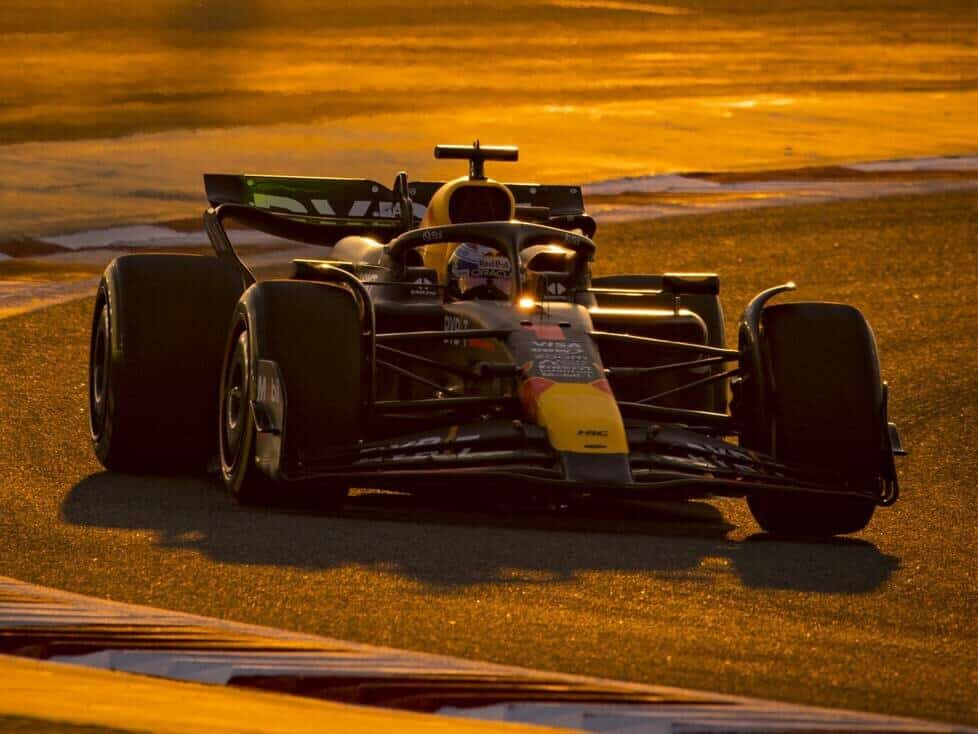
The results at the time were sobering: of the eight teams participating, only four managed more than ten laps on the first day of testing in Jerez. Ferrari was the only team to cover more than 100 kilometers – around a third of a Grand Prix distance.
At the end of the first week of testing, Mercedes, Ferrari, and McLaren-Mercedes had each covered more than 1,000 kilometers. Red Bull Renault, on the other hand, failed to even reach the 100-kilometer mark, completing only 21 laps in total.
Why 2014 should not be repeated
According to Williams team boss James Vowles, 2026 will not be as bad. He says: “The field will be much closer together. I can alleviate that concern a little.“
He also said that Formula 1 is willing to take measures in case of an emergency: ”We are already having open discussions about what happens if one engine manufacturer is ahead or behind—how we can ensure that everyone is competing on a comparable level,” explained Vowles.