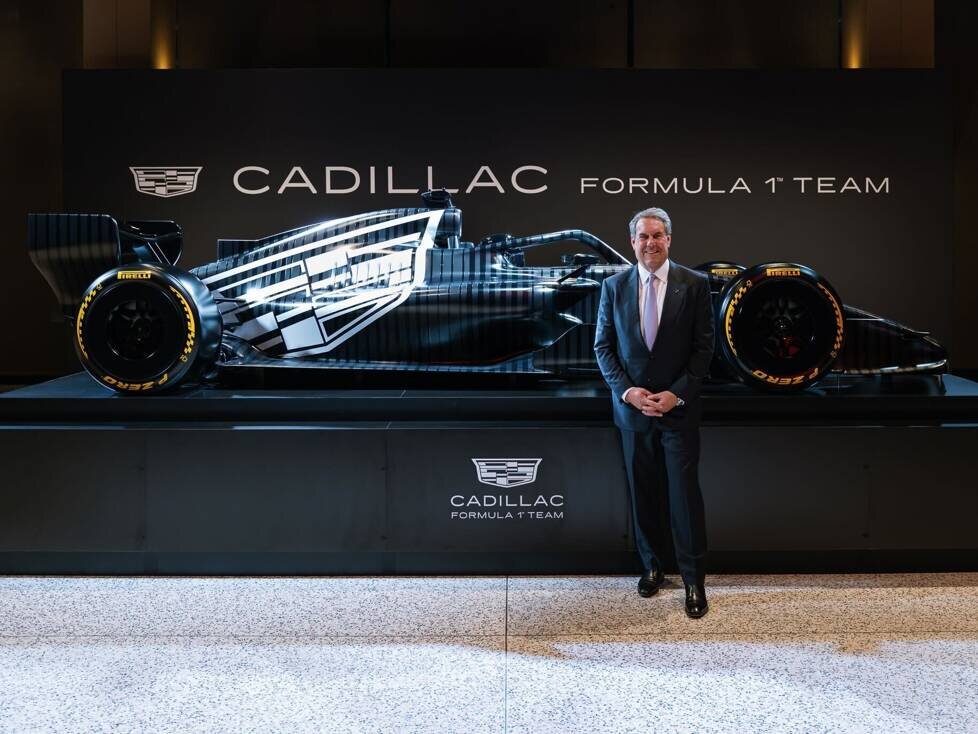
For Stefano Domenicali, the new Formula 1 engine rules are the key factor in attracting several major car brands to the sport.
Formula 1 CEO Stefano Domenicali sees the new engine rules for 2026 as a decisive factor in attracting renowned manufacturers to the premier class. He believes that the technical reorientation has played a key role in attracting brands such as Cadillac, Audi, and Ford to the series.
Starting in the 2026 season, a comprehensively revised set of regulations will come into effect, providing for a new generation of powertrains. From now on, power will come in equal parts from a combustion engine running on sustainable fuel and from electrical energy. This approach is considered particularly relevant for series development in the automotive industry.
With the new regulations, the field of participants is also growing. Cadillac is entering Formula 1 as the eleventh team. Ford is participating in engine development through a partnership with Red Bull Powertrains. Audi has taken over the former Sauber team and is entering the series as a works team. “This is extremely exciting,” Domenicali said in an interview with Formula1.com about the entry of the Cadillac project, which is part of General Motors. “Cadillac is one of the most important manufacturers worldwide and will invest heavily. They bring new energy and I am convinced that this is directly related to the right technical decision regarding the rules. The great interest shows that the focus on advanced sustainable fuels is the right way to go.”
However, according to the Italian, the new powertrain concept was not only decisive for Cadillac. Audi and Honda also committed to Formula 1 because of the planned technology. Honda will begin a new partnership with Aston Martin in 2026 after its collaboration with Red Bull ends at the end of the 2025 season. “The powertrain was a key factor in winning Cadillac, but also Audi and Honda,” said Domenicali. “This is a great moment for all of us. Formula 1 has always been at the forefront of innovation and technological development. That’s why the series is stronger than ever today.”
With regard to the rules, Domenicali also emphasized the sporting and technical challenges associated with a restart. New regulations regularly generated increased attention and momentum within the industry.
“Hundreds of engineers are working to get the best out of it, and the world outside Formula 1 also benefits from this,” he explained. Drivers and teams also face new challenges as they have to relearn how to drive and tune the cars. This makes the period leading up to 2026 particularly interesting and increases the anticipation for the coming changes.