The International Motorcycling Federation plans to ban seat winglets in MotoGP from 2026 – the reasons for the new regulation and who will be most affected by it
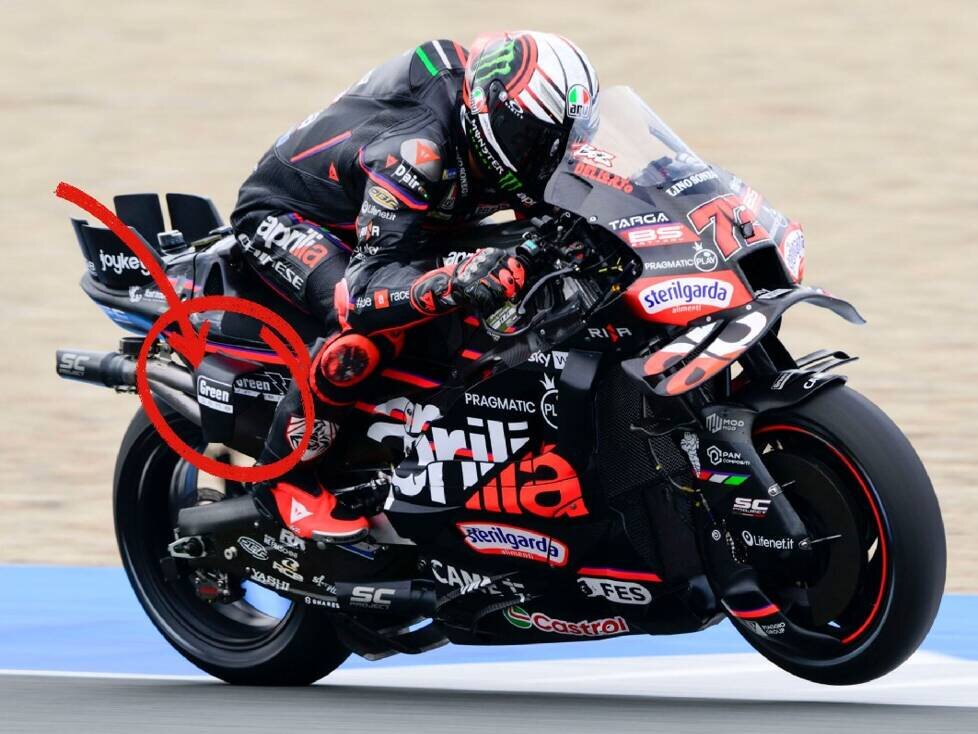
The FIM has issued a technical directive that would ban the use of so-called “seat winglets” in MotoGP from the 2026 season onwards for safety reasons. For the decision to take effect, unanimous approval from the MSMA (Motorcycle Sports Manufacturers Association) is required.
Normally, changes to technical regulations are subject to strict deadlines. A ban on seat winglets outside of these schedules is only possible on the grounds of safety. The FIM discussed this regulation after the tests in Valencia, which already gave a preview of the 2026 season.
What are seat winglets?
Seat winglets are small aerodynamic wings that are attached to the sides of the motorcycle seat. They were first used on the Aprilia RS-GP and later adopted by Honda. These winglets are designed to improve the stability of the motorcycles—a factor that could also explain the leap in performance by Marco Bezzecchi, whose bike was known for its nervousness in certain situations.
The directive came as a surprise and without prior notice, causing a stir in the paddock. Motorsport.com was able to view the summary of the changes that was sent to the teams with new aerodynamic application limits.
Focus on safety concerns
The official reason for the ban is safety: there are fears that the winglets could keep the rider on the bike in the event of a crash, which would be potentially dangerous.
Nevertheless, there is an impression that the discussion took place without any specific incidents. Critics draw parallels to earlier debates, such as those surrounding Ducati, where safety concerns were raised even though the company was able to prove that aero elements break off under stress and do not pose a danger.
It therefore seems reasonable to assume that, once again, the directive was inspired more by critics of the visual design and “excessive” use of winglets than by actual safety issues.
The new rule in detail
The directive stipulates: “The part of the motorcycle that lies between 800 and 500 mm in front of the vertical line touching the rear edge of the tire must not exceed a tapered area (450-500 mm) when viewed from above. Exceptions are footrests, controls, brackets, and covers for exhaust pipes that are within a 20 mm offset from the outside of these pipes.”
Scopri di piùhttps://t.co/kUo3jRa5L0 pic.twitter.com/rE0AiJdvC9
— Motorsport.com Italia (@Motorsport_IT) November 25, 2025
In other words, seat winglets are taboo. It is noteworthy that the FIM issued this regulation after the Valencia tests, when the season was practically over.
Since manufacturers have been working on their 2026 models for some time, this could require additional time in the wind tunnel, resulting in costs exceeding the planned budget.
Impact on the 2026 bikes
The ban affects not only the removal of seat winglets, but also the overall aerodynamic balance of the bikes, as the airflow hitting the winglets and generated at the front would have to be redesigned.
There are rumors that Ducati may have brought the safety argument into play out of concern about Aprilia’s progress. However, these reports are unconfirmed. From a logical point of view, it would have made more sense to implement a ban only with the comprehensive new rules for 2027, which completely redesign MotoGP bikes, so as not to interfere with the teams’ development work to date.
Unanimous approval by the MSMA is uncertain at this stage, as President Massimo Rivola (CEO of Aprilia Racing) is chairing the vote. Therefore, the directive could initially serve as a trial balloon and still trigger discussions.