In the legal dispute over the development and release of Subnautica 2, KRAFTON has received a clear rebuff. The publisher has to get the dismissed studio boss back – the bonus payment remains on the table.
It is a potentially groundbreaking ruling that the Delaware Court of Chancery announced on Monday. A major victory for the dismissed developers of Subnautica 2, a bitter blow for publisher KRAFTON – and considerable potential damage to its image. But what is it all about?
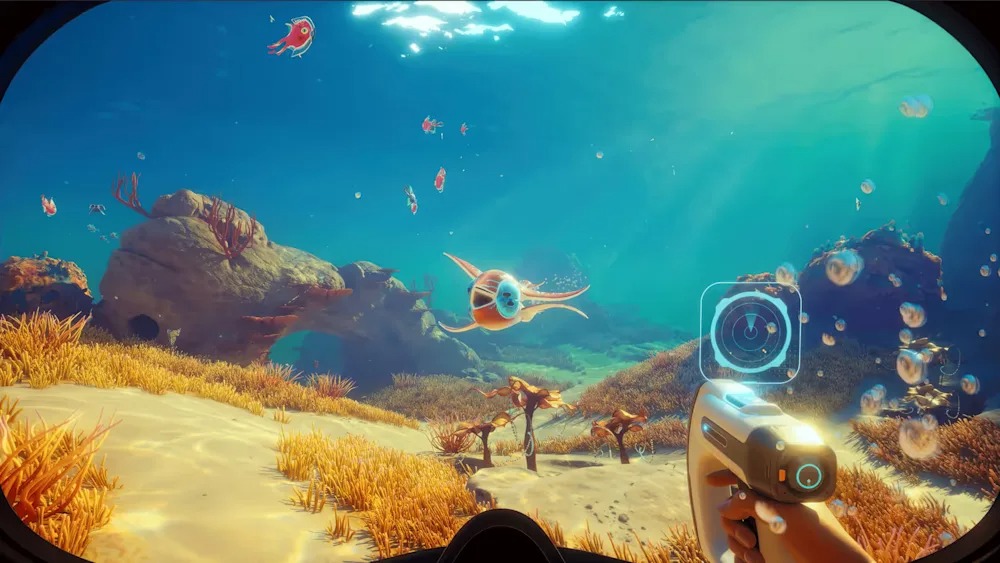
The studio Unknown Worlds had a real hit with Subnautica in 2018 – the survival game enjoyed great popularity. Three years later, KRAFTON took over the developer for 500 million US dollars and the prospect of a further 250 million as a bonus payment.
This additional sum is dependent on the studio’s financial success on time – and therefore on Subnautica 2. The sequel to the underwater horror title was originally due to be released in 2025, which would have given it a good chance of receiving the bonus.
Release postponed, studio bosses fired
KRAFTON, however, postponed the release to 2026 – after the deadline. The publisher’s argument: The development status of Subnautica 2 did not allow for an earlier launch without massively jeopardizing the quality standards set by the strong first part.
In addition, KRAFTON dismissed Unknown Worlds CEO Ted Gill and the two studio co-founders Charlie Cleveland and Max McGuire. They had allegedly breached their duties, displayed poor work ethic and downloaded sensitive data without authorization.
CEO sues back, bonus deadline until September
The trio took legal action against the dismissals and have now been largely vindicated. The Delaware Court of Chancery ruled that KRAFTON should reinstate Gill as CEO of Unknown Worlds – with full operational powers.
In addition, the special court for corporate law postponed the deadline for the bonus conditions by 258 days – to September 15. KRAFTON has since announced that the Early Access release is still planned for May. The extra payment could be achieved.
The co-founders Cleveland and McGuire will not be automatically reinstated, as the court did not attribute an essential key role in the studio to them, unlike Gill. However, they retain their contractual rights to a share of the potential 250 million US dollars.
Reasons for termination do not prevail in court
The Delaware Court of Chancery did not consider the reasons originally given for the termination of the management trio to be sufficient. KRAFTON did sharpen its arguments in this regard, but this did not persuade the court to change its decision.
Judge Lori W. Will also argued that KRAFTON was actually trying to avoid the bonus payment by dismissing the three developer bosses and postponing the release. A clear classification that could damage the company’s image.
Signal effect for takeover disputes?
KRAFTON was anything but pleased with the ruling. However, the publisher does not have a good chance of successfully appealing against it. The next higher instance would be the Delaware Supreme Court. This court would only examine whether legal errors were made or whether the last court abused its discretion – but would not take new evidence.
The decision could have a signal effect for similar cases in the future. After all, takeovers with countless special clauses and bonus agreements are almost the order of the day in the video games industry. The judges in Delaware have now underlined that buyers cannot bend their fulfillment at will.