Turkey dominates the European Valorant scene, with Germany lagging behind. Commentator Marvin Wild discusses why this is the case—and what makes the DACH scene unique nonetheless.
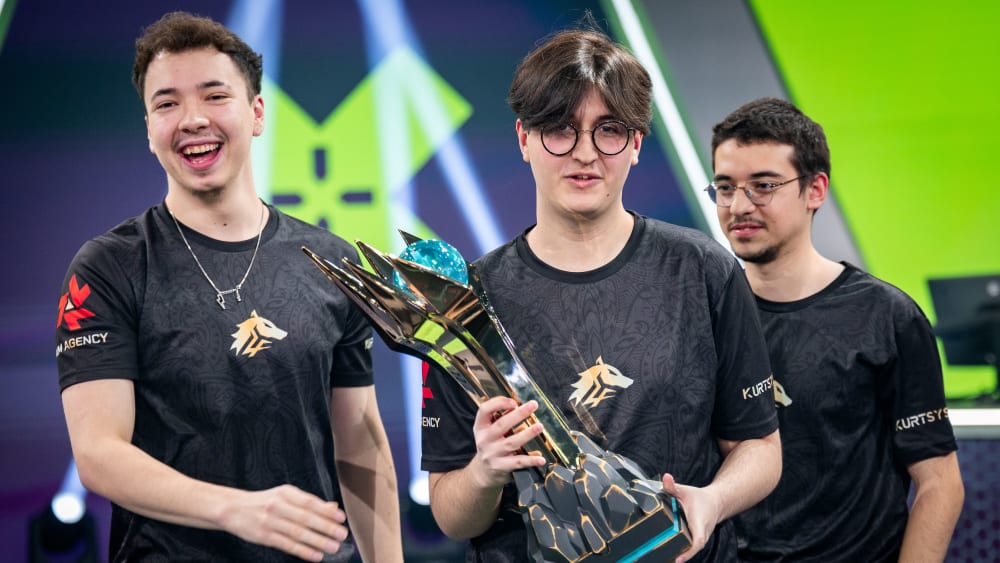
Two newcomers, both from Turkey – Challengers Türkiye: Birlik celebrates a double victory. And the DACH region? One team, two defeats and an early flight home. While ULF Esports and BBL PCIFIC rejoice, FOKUS has to watch as two more Turkish teams secure a place in the VCT.
It’s just one of the indications that Turkey is doing a lot right when it comes to Valorant. With 14 players, the country currently represents the largest faction in the VCT. No other nation can match that. And they’re not just followers: stars such as Emir ‘Alfajer’ Beder (Fnatic), Mert ‘Wo0t’ Alkan (Team Heretics) and Burak ‘LewN’ Alkan (BBL Esports) are playing at the top of the world with their teams.
A role model who shaped a league
Commentator Marvin ‘headshinsky’ Wild has been watching the European Valorant scene since day one and was often there when DACH teams lost to Turkey. For him, one name stands out: “I believe that Mehmet ‘cNed’ Ipek laid the foundation for so many people to become interested in Valorant.”
The 23-year-old won the first Champions tournament with Acend in 2021 and was crowned the first eSports world champion – in the midst of the biggest Valorant hype – and quickly became an idol. The snowball effect continues to this day: young players emulate ‘cNed’ and become role models themselves. The result: a league in which only Turkish professionals played last season, driving the development of the national scene. Without any imports. In the DACH league, on the other hand, the situation is different: 23 Germans, one Austrian – the rest are foreign players. A question of talent? Perhaps. In any case, it’s a question of money: players from Eastern Europe or Turkey usually earn less salary in order to play full-time. In addition, they often have international experience, which raises the level of the league and is lacking in national talent. But that doesn’t have to be an advantage. “Turkish organizations know that their level of play is very high,” says Wild. That’s why they consistently focus on local talent – with lasting success.
Does DACH have a mindset problem?
In addition to role models and structure, Wild sees a third difference: mental attitude. “I’ve heard from various sources that the mindset of DACH players tends to be poor. That they just worry instead of looking forward to the next exciting matches.”
He admits, “That’s more of a feeling than a fact.” But the symptoms are clear to him. International performances often fall short of expectations. “There’s hardly any other region where nerves are as visible as in the DACH region. And that also applies to imports.”
Wild has examples at the ready: CGN and MOUZ at the first Ascension tournament and this year’s Challengers tournaments. “We have to admit: we were actually really lucky to have a DACH team at Ascension. We didn’t really deserve it.” FOKUS qualified with only three international wins and just barely made it into the battle for promotion.
What the DACH region is doing right anyway
Despite its second-rate performance on the international stage, the DACH scene remains a special case – and perhaps that’s precisely why it’s so exciting. Not because of mandatory player cameras, jokes Wild. But because of something that can’t be described in numbers: proximity.
The many offline events were “well received across the board – by sponsors, players, organizers, and fans,” explains the commentator, highlighting what makes the local scene so special. “No other region had as many offline events as we did. That’s something DACH will continue to do next year.”