


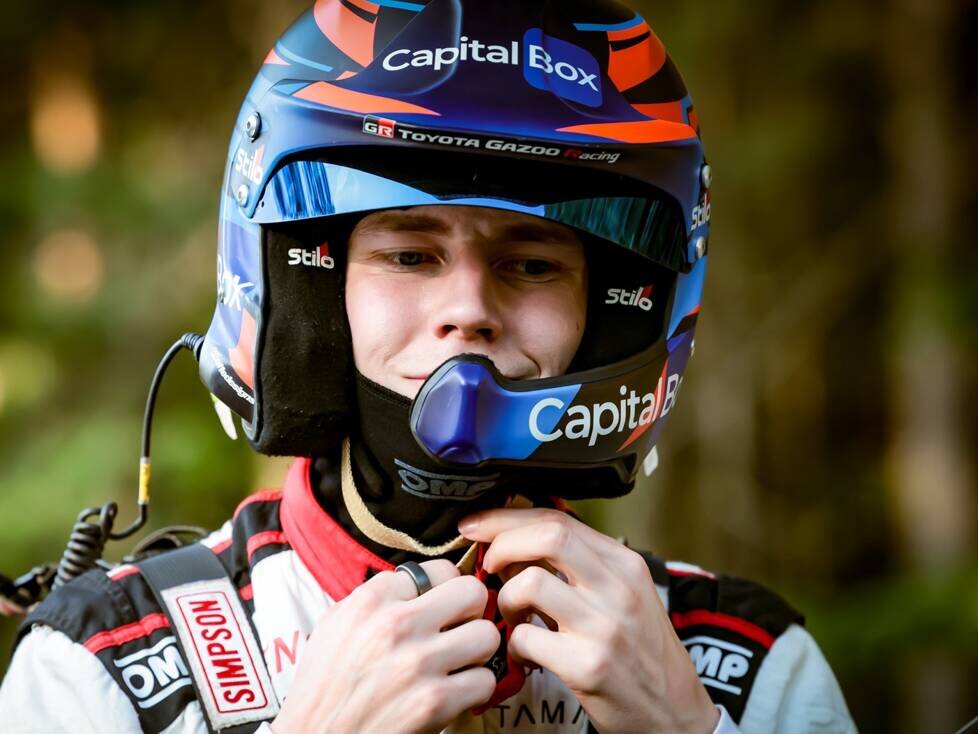
Formula 1 technology is making its way into the WRC: in Sardinia, M-Sport is testing an FIA-approved helmet camera for potential live footage from inside the rally car
The World Rally Championship (WRC) will be testing a Formula 1-style helmet camera at next week’s season finale in Italy. The aim is to take the quality of the footage shown on TV broadcasts to a new level.
Helmet cameras have become established in circuit racing: racing series such as Formula E, Supercars and Formula 1 are already successfully using this technology to offer fans even more spectacular insights.
The WRC had already evaluated the technology back in 2024 in collaboration with the Italian helmet manufacturer Stilo, which developed a prototype at the time. Although drivers had used the cameras in the past during pre-event tests, their use had not previously been permitted at official WRC rallies.
First live test with M-Sport
In Sardinia, however, the WRC is now undertaking a live test with an integrated helmet camera from Bell, which is approved by the FIA and is based on the same technology as that used in Formula 1. The test is being carried out by the M-Sport-Ford team. If it proves successful, the footage could be incorporated directly into the live broadcast as early as this rally weekend.
“We will be strengthening the media department to ensure we take a new approach to content,” explains WRC Managing Director Eric Boullier to the English-language edition of Motorsport.com. “We’ll be testing this helmet camera as early as the next rally in Sardinia. It’s the same technology used in Formula 1, so I got in touch with them to ensure we could test it.”
“One of the M-Sport cars will [auf Sardinien] be fitted with it, and we want to carry out a live test. The technology has been approved by the FIA and has evidently been successfully tested and deployed in Formula 1. That is exactly what we now want to do as well,” Boullier continued. “We’ll be testing it on Thursday and Friday. If it works, you might even see the footage in the live coverage.”
What else the new WRC promoter has planned
Improving storytelling and the TV product is one of the core tasks that the new owners of the WRC have made a priority. The helmet camera is just the first step in a whole series of innovations.
During his first media appearance since the takeover of the WRC promoter by the French motoring company Cosmobilis and the private equity investor Park Square Capital, Boullier also unveiled plans to transform the WRC service park into an arena. This is part of a wider initiative to enhance the fan experience. Providing more behind-the-scenes insights into the new WRC arena is set to be a key component of future coverage.
“We are also working on improving and upgrading the technology to enable higher bandwidth from the car. This will allow us to extract more data from the car, use more cameras, and also capture more data that we can present to our fans across various platforms in future,” adds Boullier.
“We’ll be working on all of this. So there’ll be fewer [Bilder von] cars jumping around, but a bit more excitement and more insights into life in the WRC Arena – the former service park. Furthermore, we want to highlight new personalities and new drivers on the platforms to offer more content overall.”