


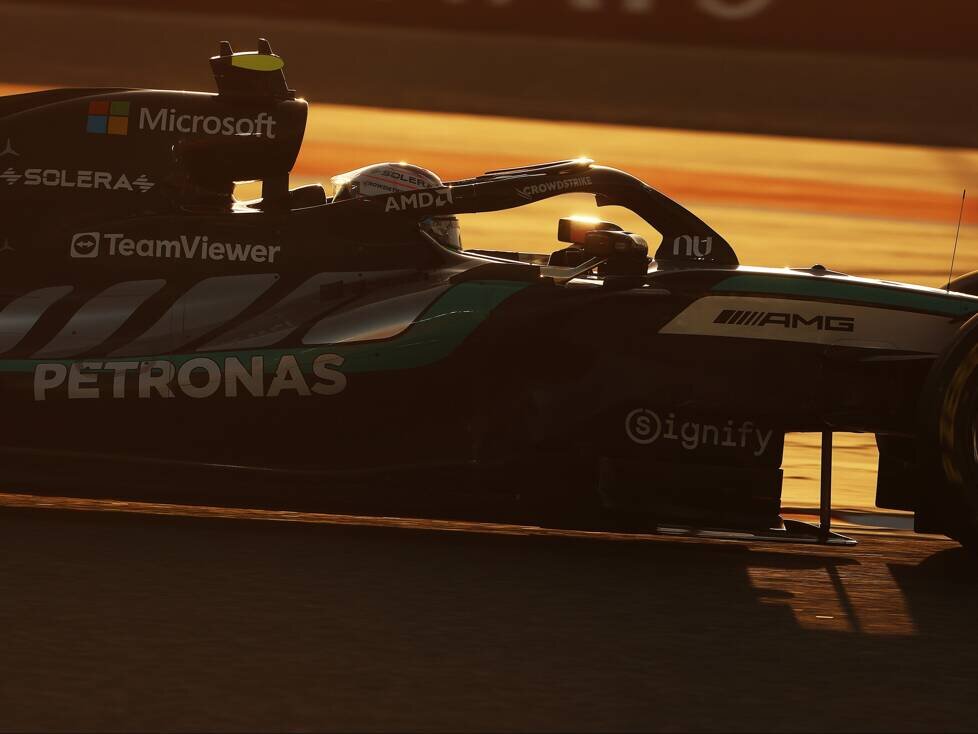
The sustainable fuel intended for the four teams using Mercedes engines was certified by the FIA just in time for the start of the season.
Petronas has received approval for the sustainable fuel that will power Mercedes power units in the 2026 Formula 1 season. At the last minute, the Malaysian group’s Formula 1 program department received the necessary certification to participate in the world championship.
The process was completed on the eve of the Melbourne weekend. The new homologation procedure introduced for sustainable fuels is significantly more complex than the procedure that applied to previous types of gasoline.
Until 2025, fuels were tested and certified in an FIA-approved laboratory. Manufacturers submitted a sample and received the results within about twenty days. From this season onwards, however, the process has become much more complex. Manufacturers began preparations early, but if problems arise, significantly longer waiting times are now likely.
The FIA has outsourced certification to an external organization that not only tests the end product but also monitors the entire manufacturing process. From this season onwards, the entire production chain will be monitored. Certification body staff will visit production facilities to ensure that each stage meets the criteria set by the FIA.
In addition, the certifications of the numerous individual components are checked, including those of any suppliers within the supply chain. If even one of these certifications is missing, the fuel cannot be homologated, even if it meets the technical specifications.
Petronas and Mercedes have not commented on the process, but the delay in homologation appears to be due to missing certificates that were required to complete the process.
In addition to its own factory team, Alpine, McLaren, and Williams will also be racing with Mercedes engines in 2026.