


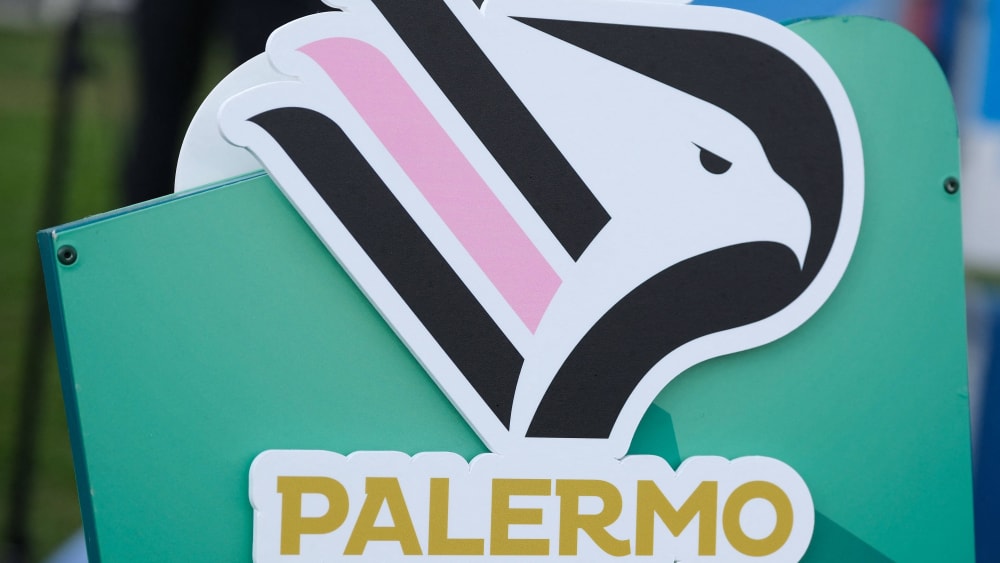
Palermo’s team colors, pink and black, are unique in themselves, but the story behind them is even more so—the atmosphere is always high-octane.
FC Palermo is the pride of Sicily. Tradition is a top priority on the Mediterranean island, even though the historic club, founded in 1900, has had to weather quite a few turbulent phases throughout its history.
Financial difficulties, balance sheet fraud, re-foundings, name changes, (forced) relegations, and, last but not least, the 2022 takeover by the City Football Group, which also owns Manchester City: I Rosanero, the Pink-and-Blacks, or Aquile, Eagles, as they are also known in Italy, have had to endure a great deal.
Of course, it hasn’t been all bad times—not least because the Sicilian club has produced players like Edinson Cavani and Paulo Dybala. Palermo has competed in European competitions five times, reached the Coppa Italia final three times—and Serie A has been within reach again in recent years.
The bittersweet quirks of the co-founder
The club is synonymous with highs and lows. Its crest, fittingly, is somewhat of the same. And the story behind it is quite unique. It traces back to the Englishman Joseph Whitaker, who was the co-founder and first president of the Sicilian club. The club colors, pink and black, stemmed from one of his quirks: rose liqueur after a victory, herbal bitters after a defeat.
Whitaker, an ornithologist and archaeologist, was also considered an authority on Tunisia’s birdlife, so the eagle from Palermo’s city coat of arms naturally fits perfectly into the logo.
Of course, this has changed over time; the eagle has since been transformed into a modern eagle silhouette that forms the letter “P” for Palermo. Yet, together with the legendary club colors of pink and black—which have often been incorporated into fashion-forward and celebrated jerseys—Palermo has remained unmistakable and, at least in this regard, prioritizes continuity.