


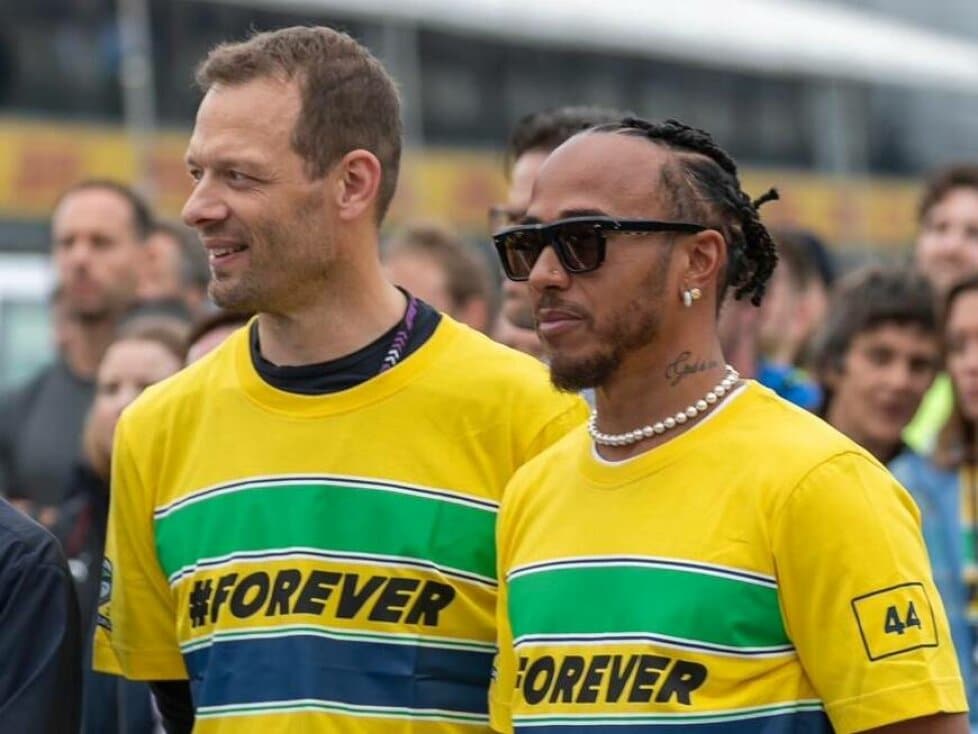
The Formula One drivers’ union, GPDA, one of the oldest and most influential institutions in motorsport – We shed light on its goals and tasks in a portrait
Formula One is a world of speed, technology and glamour, but it is also a world full of danger and challenge. While the teams are fighting for race wins and constructors’ titles, there is an organization that puts the interests of the drivers themselves at the center of its work: the GPDA.
It is the Grand Prix Drivers’ Association, a drivers’ union. Why was it founded, and what does it do today? In this article, we shed light on the history of the association, its aims and the current role of the GPDA, as well as its leading figures.
The origins of the GPDA
The GPDA was launched in 1961, at a time when safety in Formula One was often neglected. Tragic accidents were almost the norm, and drivers often had to compete on tracks that fell far short of today’s safety standards. In this context, a group of courageous drivers joined forces to demand better conditions.
A milestone for the GPDA was the 1969 Belgian Grand Prix, when the drivers boycotted the start on the dangerous Spa-Francorchamps circuit. This action forced the authorities to make fundamental improvements – a clear signal that the GPDA had a voice that was heard.
Over the following decades, the GPDA played a crucial role in the introduction of modern safety measures, including improved track layouts, gravel traps, protective barriers and fireproof clothing.
The role of the GPDA today
Today, the GPDA acts as a voice for drivers and a conduit between them, the Fédération Internationale de l’Automobile (FIA) and other F1 stakeholders. Its influence extends across several areas:
1. Safety on and off the track
Safety issues remain the central concern of the GPDA. The introduction of the Halo head protection system in 2018 is a prime example of their work.
Although the titanium bracket was highly controversial at the beginning, it has demonstrably saved lives in serious accidents since then. The GPDA also works closely with engineers and track planners to design modern race tracks.
2. Involvement of drivers in decision-making processes
Formula One is a complex interplay of sporting, technical and commercial interests. The GPDA is committed to ensuring that the drivers are heard when important decisions are made – for example, about the race calendar or rule changes.
3. Sustainability and the future of Formula One
The GPDA is also committed to long-term issues such as environmental protection. In this context, it supports measures to reduce the carbon footprint of Formula One and is committed to making the racing series more sustainable, without losing the essence of the sport.
Structure and chairmanship of the GPDA
The GPDA is governed by an executive board consisting of experienced drivers and a legal representative. The current leadership is as follows:
Alexander Wurz (chairman): the former Formula One driver from Austria has been leading the GPDA since 2014. Wurz not only contributes his experience as a racing driver, but also as a consultant and safety expert.
George Russell (and Sebastian Vettel until the end of his career in 2022): Both served as active representatives of the drivers and brought the perspective of current racing drivers to the table.
Anastasia Fowle (Executive Director): As a lawyer, she is responsible for the legal and organizational management of the GPDA. Fowle is the first non-racing driver to hold a senior position in the history of the GPDA.
Membership of the GPDA is voluntary, yet almost all current drivers in the Formula 1 field are actively involved in the drivers’ union.
The GPDA’s successes and influence
The influence of the GPDA can be seen in numerous innovations and decisions that have made Formula 1 safer. Examples include:
The introduction of the cockpit safety cell (1988), which saves lives in accidents.
The improvement of run-off areas and barriers at circuits worldwide.
Active participation in the introduction of technical safety regulations, such as the mandatory use of HANS (Head and Neck Support) systems.
In addition, the GPDA has repeatedly initiated important debates on controversial topics such as overcrowded race calendars and driver rights.
Why is the GPDA important?
The GPDA has been an essential part of the Formula One structure for decades now, ensuring that drivers are protected not only as athletes but also as human beings. It represents their interests and helps to make Formula One continuously safer, fairer and more sustainable.
While the GPDA often works behind the scenes, its contribution to the sport is indispensable. Without it, Formula One would not be what it is today – a spectacular yet safe stage for the world’s best racing drivers.