


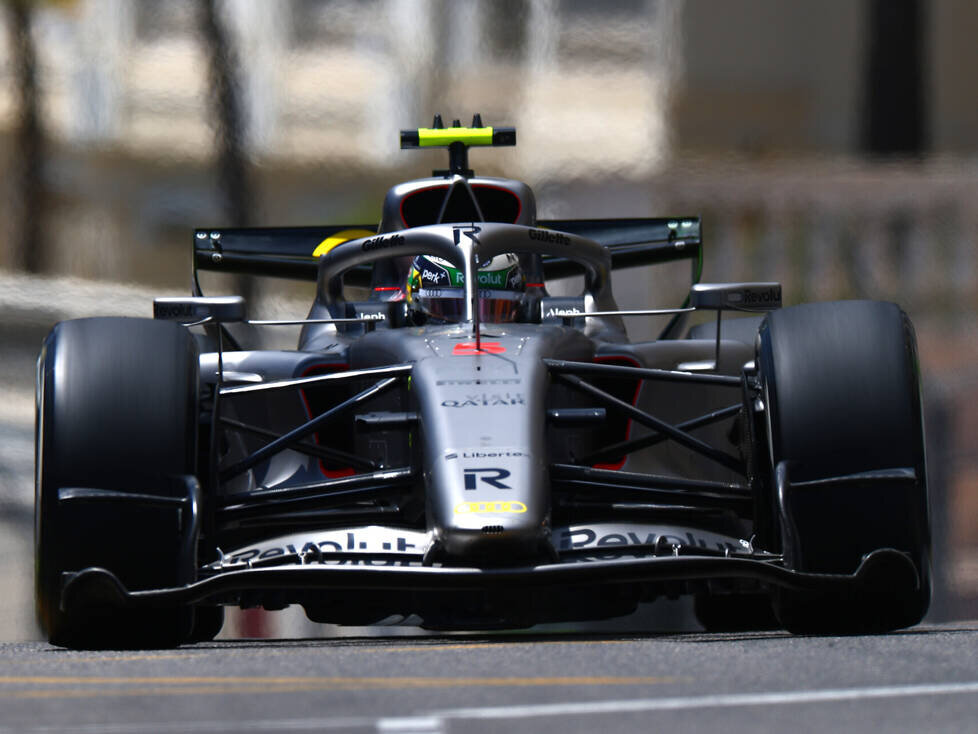
Audi CEO Gernot Döllner emphasizes that the company would be willing to continue its involvement in Formula 1 even with a V8 engine
According to Audi CEO Gernot Döllner, the company isn’t opposed to V8 engines in Formula 1: “Why shouldn’t we accept that?” explains the CEO.
“I mean, the Nuvolari also has a V8 in the rear, so we have no issues with V8 engines,” Döllner explains to our sister site Motorsport.com. By “Nuvolari,” the 57-year-old is referring to the group’s new hybrid supercar.
According to Döllner, it is much more important that the engine retains a turbo component: “For Audi, that’s clear. We prefer a turbo because of efficiency. That’s more important than the mere number of cylinders.”
“For Audi, the most important thing is that the Formula 1 regulations continue to prioritize sustainability and energy efficiency as key pillars.”
Discussions about the upcoming engine regulations have been underway since the start of the season. Currently, a V8 engine is being considered, for which the electric component is expected to be significantly smaller than in the current power unit. No final version has been officially agreed upon yet.
On the topic of electrification, Döllner notes: “Globally, the automotive industry has taken a step toward electrification. There is currently a slight reversal of this trend, but in the long term, we will see more and more electrification worldwide.”
“But in the coming one or two, perhaps even three decades, we will certainly see internal combustion engines in sports cars,” the CEO emphasizes. Here, Döllner also refers to discussions surrounding Formula 1 and alternative fuels.
“When I became CEO of Audi, the decision had already been made to switch entirely to electric powertrains starting in 2032. In the meantime, we have changed our strategies, and they are now significantly more realistic, making our approach much more flexible.”
The Group’s original plan to phase out internal combustion engines by mid-2025 has been shelved.
“Technological flexibility—whether with internal combustion engines, plug-in hybrids, or battery-electric vehicles—is our path to the future. In doing so, we will take local differences into account to meet the needs of our customers.”
“It’s a bit like that in Formula 1, too. You have to recognize the trend, but hybridization and sustainability will continue to play a role, and that fits with our strategy.”
In conclusion, Döllner emphasizes: “We have to trust the process and believe that regulations will be written that allow Audi to cover everything.”